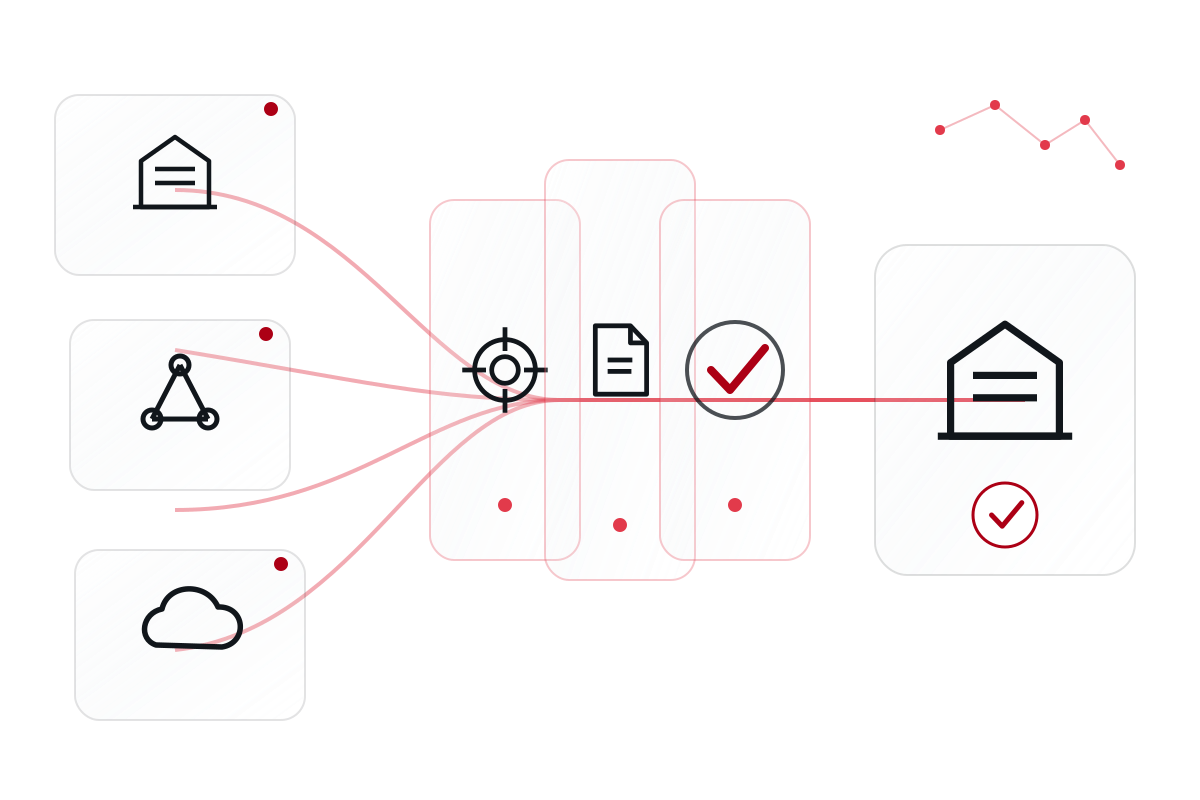
DCC Level 0
Discuss the foundation-level route.
Explore Level 0 →
Turn a DCC requirement into a workable readiness plan by clarifying level, scope, dependencies, evidence ownership and remediation before assessment.
Clarify what your MOD or prime-contractor contact expects and who owns that requirement internally. Record your target timeframe and any procurement dependencies. An early discussion can help distinguish a contractual requirement from an assumption.
Use the current IASME scoping guidance with your assessor. Consider the systems and services that keep the organisation operating securely and resiliently. Identify shared platforms and supplier dependencies early.
For a large group, prepare a clear view of the legal entity structure and how shared services support the proposed boundary.
Use the applicant guidance for your target level. Match each requirement to an owner who can explain implementation and provide evidence. Review missing or inconsistent records before assessment.
Policies alone may not explain how controls operate. Prepare the relevant technical and organisational evidence for discussion with the assessor.
IASME applicant and scoping resources ↗Bring your current certification status, proposed scope, evidence gaps and remediation concerns into the readiness review. Formal assessment should begin when the boundary and evidence position are sufficiently clear, rather than simply because a deadline is approaching.
Discuss the foundation-level route.
Explore Level 0 →Plan broader control and evidence preparation.
Explore Level 1 →Tell us the level you have been asked to meet, your proposed scope and the gaps you need to understand. Where MDLabs acts as your DCC assessor, we can help identify gaps and clarify requirements, but cannot implement or manage your security defences. Readiness support does not guarantee certification.